
Managing multiple client websites sounds manageable until updates start slipping through the cracks. Pages change, forms break, pricing updates go unnoticed, and suddenly agencies are reacting instead of staying ahead.
This is a common challenge, especially as agencies grow. Relying on manual checks is time-consuming and unreliable. That is why more teams are shifting towards agency workflow automation and smarter systems that track changes automatically.
In this article, we look at how agencies monitor client websites without manual checks, what they focus on, and how they manage website changes across multiple clients efficiently.
Why manual website checks don’t scale
Most agencies start by checking websites manually. Opening tabs, reviewing pages, and revisiting them later. It works in the early stages but quickly becomes inefficient.
As the number of clients grows, manual processes lead to missed updates between checks, inconsistent monitoring across accounts, wasted time on repetitive tasks, and delayed responses to critical issues.
This is where website monitoring for agencies becomes essential. Instead of checking constantly, agencies can rely on systems that track changes continuously.
How agencies monitor client websites without manual checks
The core idea is simple. Agencies replace manual checking with automated monitoring.
Instead of revisiting pages, they set up monitoring for key areas such as landing pages, pricing pages, product pages, and forms or conversion points. When something changes, they receive an alert.
Tools like monity.ai allow agencies to track updates automatically and highlight exactly what changed. This ensures nothing important is missed while reducing manual effort.
How agencies manage website changes across multiple clients
Monitoring a single website is straightforward. Managing multiple clients requires a structured approach.
Agencies typically organise monitoring by grouping pages by client accounts, prioritising high-impact pages, setting different monitoring frequencies, and centralising alerts in one place.
This allows teams to manage website changes across multiple clients without increasing workload or complexity.
What agencies actually monitor on client websites
To be effective, agencies focus on areas that impact performance, conversions, and user experience.
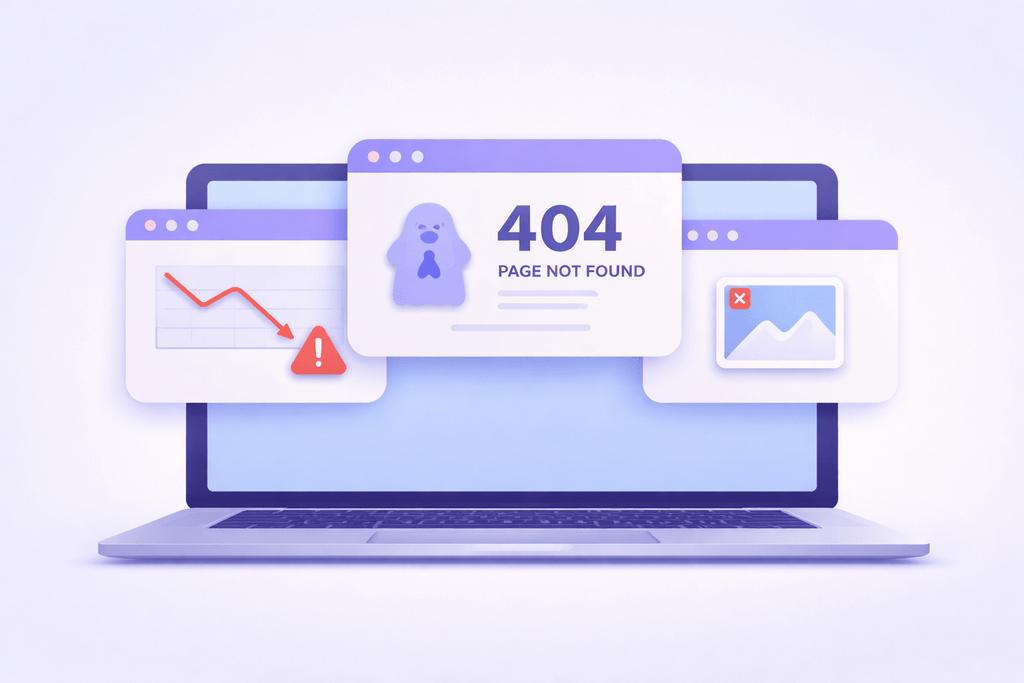
This includes UX and UI issues such as forms not submitting, buttons not working, layout breaking on mobile, and missing elements.
They also track functional issues like checkout failures, login errors, and broken links. Conversion-critical elements such as pricing changes, product availability, and promotions are also key.
On top of that, agencies monitor SEO and content changes including edits, removals, and structural updates that could affect rankings.
The role of agency workflow automation
Monitoring becomes far more powerful when it is part of a broader system.
With agency workflow automation, alerts are not just notifications. They trigger actions. A detected change can create a task, notify the team, or highlight priority updates.
This reduces manual work and ensures that nothing gets overlooked.
How monity.ai supports agency workflows
monity.ai is designed to help agencies monitor websites efficiently without relying on manual checks.
Agencies use it to track key pages across multiple clients, detect changes in real time, receive clear alerts with highlighted updates, and reduce time spent on repetitive monitoring.
Instead of constantly checking websites, teams only act when something changes. This improves efficiency and helps agencies stay proactive.
Common mistakes agencies make
Even with the right tools, some challenges remain if the approach is not optimised.
Common issues include monitoring too many low-value pages, ignoring alerts due to overload, relying partly on manual checks, and not integrating monitoring into workflows.
The key is to focus on high-impact areas and make monitoring part of daily operations.
FAQ
How do agencies monitor multiple client websites efficiently
They use automated monitoring tools that track changes and send alerts, removing the need for manual checks.
What is website monitoring for agencies
It is the process of tracking changes on client websites automatically to stay updated without manual effort.
Can agencies fully replace manual checks
In most cases, yes. Automated monitoring provides continuous tracking, making manual checks unnecessary.
Why is agency workflow automation important
It helps agencies save time, reduce errors, and manage multiple clients more effectively.
Conclusion
Manual website checks are not built for agencies managing multiple clients. They are time-consuming, inconsistent, and easy to overlook.
By using website monitoring for agencies and implementing agency workflow automation, teams can stay informed without constant effort. They only focus on what matters, when it matters.
This shift allows agencies to work more efficiently, respond faster, and deliver a better experience for their clients.