
Google Alerts is often the first tool people use when they want to keep track of what is happening online. It is quick to set up and seems like an easy solution. But once you try to use it for something more practical, like tracking competitor updates or monitoring specific pages, the gaps become clear.
Many businesses searching for google alerts alternatives are not looking for more features. They are simply trying to solve a real problem. They want accurate, timely updates without having to dig through irrelevant alerts or worry about missing important changes.
What Google Alerts is actually built for
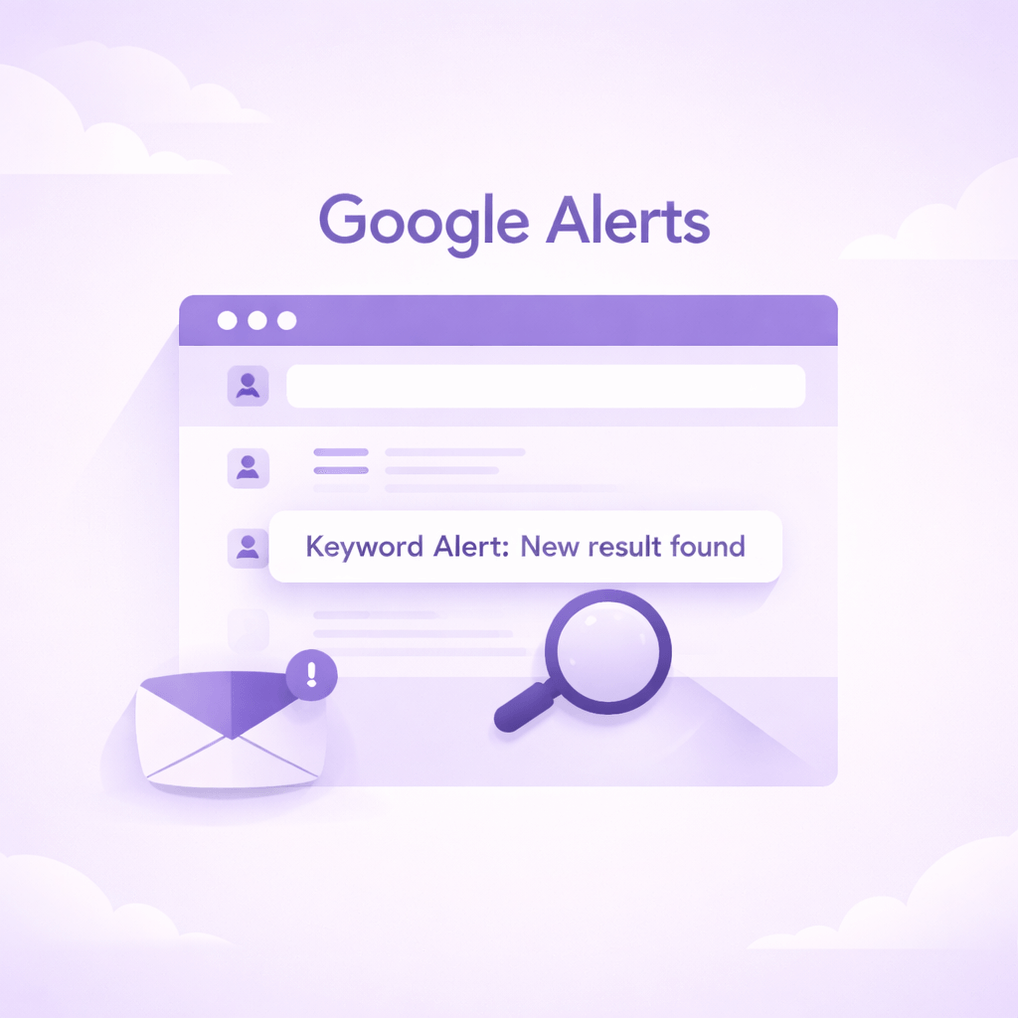
Google Alerts works by monitoring keywords across newly indexed content. When Google finds a new page that includes your keyword, you receive a notification.
This works reasonably well for broad use cases like tracking brand mentions or news coverage. However, it is important to understand that it does not monitor websites in real time. It relies entirely on Google’s indexing process, which means it only reacts after content has already been discovered and processed.
This creates a delay and, more importantly, limits what it can actually detect.
Why Google Alerts falls short for website monitoring
The main issue is not that Google Alerts is a bad tool. It is that it is often used for something it was never designed to do.
When you want to monitor a website, you are usually trying to track specific changes. This could be a pricing update, a product going out of stock, or a shift in messaging on a landing page. These changes happen within existing pages, not as new content.
Google Alerts does not detect these updates. If nothing new is indexed, nothing is triggered. As a result, you can miss important changes without even realising it.
Over time, this leads to unreliable monitoring where you are only seeing a partial picture.
Delayed alerts reduce their usefulness
Even when Google Alerts does pick something up, the timing is often unpredictable. Notifications depend on how frequently Google crawls and indexes content, which can vary from hours to days.
For businesses that rely on timely information, this delay can be costly. If a competitor launches a promotion or updates pricing, reacting late means losing the advantage. Monitoring should help you act quickly, not inform you after the fact.
This is one of the key reasons people start looking for google alerts alternatives that provide real-time visibility.
The problem of missed updates
Another limitation is inconsistency. Not all pages are crawled regularly, especially if they do not change often or have lower authority. This means updates can happen without ever being detected.
If a competitor adjusts a product description, updates their offer, or refines their messaging, there is a high chance you will not receive any alert. These are often the changes that matter most, yet they remain invisible when relying on Google Alerts.
From a strategic point of view, this creates blind spots that can affect decision-making.
Too much noise and not enough relevance
On the opposite side, Google Alerts can also produce too many irrelevant notifications. Keywords alone do not provide enough context, so alerts often include content that is only loosely related to what you are tracking.
Over time, this creates noise. You spend more time filtering alerts than actually using them. Eventually, many users start ignoring notifications altogether, which defeats the purpose of monitoring.
The issue is not just volume, but lack of precision.
Why modern monitoring requires a different approach
Website monitoring today is about understanding meaningful changes, not just detecting activity. Businesses need to know when something important happens and why it matters.
This requires a shift from keyword tracking to page-level monitoring, combined with the ability to filter out irrelevant updates. Without that, you either miss key changes or get overwhelmed with unnecessary information.
This is where tools like monity.ai take a different approach.
How monity.ai improves on Google Alerts
Monity.ai is designed specifically for website monitoring, not keyword tracking. Instead of relying on search engines, it monitors pages directly and continuously. This means changes are detected as they happen, without waiting for indexing.
More importantly, it focuses on relevance.
Rather than notifying you about every small update, monity.ai allows you to define what actually matters using AI prompts. You can set clear conditions, such as tracking price changes, product availability, or specific messaging updates.
This changes the way monitoring works. Instead of receiving a stream of generic alerts, you get precise notifications tied to your goals.
Reducing noise with AI filtering
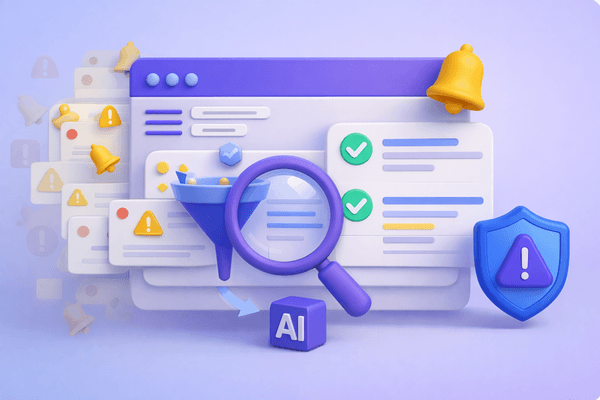
One of the biggest frustrations with both Google Alerts and traditional monitoring tools is noise. Not every change is worth your attention, yet most tools treat all changes equally.
Monity.ai solves this by filtering updates through AI prompts. You can describe what you want to track in simple terms, and the system focuses only on those conditions. Minor layout adjustments or unrelated content changes are ignored.
This creates a much cleaner experience where alerts are meaningful and actionable. Instead of managing alerts, you can focus on making decisions.
Real-time monitoring that reflects what actually happens
Because monity.ai monitors pages directly, it provides real-time visibility. You are not dependent on search engine cycles or delayed indexing.
This is particularly valuable in scenarios where timing matters, such as tracking competitors, monitoring ecommerce products, or keeping an eye on campaign pages. When a change happens, you know immediately, which allows you to respond without delay.
It also removes uncertainty. You are no longer guessing whether something has changed or waiting for confirmation. The information is available as soon as it happens.
A more practical way to monitor websites
The key difference between Google Alerts and tools like monity.ai is not just technology, but approach. Google Alerts is broad and reactive. It gives you general signals based on keywords.
Monity.ai is focused and intentional. It allows you to monitor specific pages with clear conditions, ensuring that you only receive alerts that matter to your workflow.
This makes monitoring more efficient and far more reliable. Instead of working around the limitations of a tool, you are using a system that aligns with how you actually need to track information.
FAQ
Is Google Alerts enough for website monitoring?
For basic use cases like tracking mentions, it can be useful. However, it is not suitable for monitoring specific website changes or competitor activity.
Why does Google Alerts miss important updates?
Because it relies on search engine indexing and keyword matching. If a page is updated without being re-indexed quickly, no alert is triggered.
What makes monity.ai different?
Monity.ai monitors pages directly in real time and allows you to define what changes matter using AI prompts. This reduces noise and improves accuracy.
How can I avoid irrelevant alerts?
Using tools that allow you to filter updates based on specific conditions helps ensure that you only receive meaningful notifications.
Conclusion
Google Alerts remains a simple way to stay informed about general online activity, but it is not built for modern website monitoring. Delays, missed updates, and irrelevant alerts limit its usefulness when accuracy and timing matter.
This is why more businesses are exploring google alerts alternatives that provide better control and real-time insights.
Monity.ai represents a more practical approach. By focusing on page-level monitoring and using AI to filter out noise, it delivers updates that are both timely and relevant. Instead of reacting late or sorting through unnecessary alerts, you can focus on what actually matters.